Transportation Business Resources

Protecting your cargo and your transportation business is our business. Travelers is dedicated to helping freight brokers, fleet operators and logistics firms reduce preventable losses and costs through our products, vendor alliances and claim processing. We use our transportation experience and science to assist companies with security best practices, proper securement techniques for loading and handling, theft prevention and road safety issues.
Travelers on Freightwaves Podcast
Freightwaves is the leading provider of trucking news, media and analytics for truckers, intermodal and logistic operators. Travelers has recently contributed to the Freightwaves “What the Truck” Podcast series to share insights on topics ranging from choosing the right insurance carrier to commonly overlooked coverages to trends in cargo theft. Give each a listen.
Podcast #67: Towing Claims
Predatory towing can turn a routine truck accident into a six-figure financial crisis. Stephen Brasher, Unit Manager of Inland Marine Claim at Travelers, explains how towing costs escalate, where coverage gaps appear and what motor carriers can do to help protect themselves after an accident.
Aired: 5/18/2026
Paid Content
(DESCRIPTION)
Two men sit at a wooden desk with open laptops, facing us. There is a TV on the wall in between them with the text: What the Truck?!? on it. On the left is a list with a news thumbnail at the top. The thumbnail has the text: Borderlands: Mexico Cross-Border Trade Tops 84 billion dollars in March as U.S.M.C.A. talks heat up. The list, from top to bottom, reads: Pay by invoice and fintech in freight, Fleet efficiency and cost pressure, NextPass and digital tolling, The modern tolling problem, Jon Weisblatt, What is a motor carrier to do?, $200,000 for one towing incident, Stephen Brasher. The list is tan except for the bottom item, Stephen Brasher, which is green. Logos: What the Truck?!? Taylor and Martin, LLC. Auctioneers. C.E., Clean Energy. Along the bottom of the screen there is a running headline. The man on the left speaks first, and the top of the list in the left corner changes from the news to the Travelers logo.
(SPEECH)
MALCOLM HARRIS: Really excited to speak with this guy again. Representing Travelers with their unit manager is going to be Stephen Brasher. Stephen, you are now on What The Truck. What's going on, man? How are you?
(DESCRIPTION)
Stephen Brasher's video appears in the middle between the two men at the desk. Headline text: Request to block non-domiciled CDL rule denied; case heads to court: A federal challenge over non-domiciled CDL enforcement is moving toward the courtroom.
(SPEECH)
STEPHEN BRASHER: Hey, doing well. How are you, Malcolm?
MALCOLM HARRIS: Doing well. Doing well. I want you to meet my partner in crime, Mr. Mike Benson. He's got some questions for you real quick.
MIKE BENSON: Question.
STEPHEN BRASHER: Hey.
MIKE BENSON: Hey, who's the most famous UTC alum besides you and then Malcolm?
STEPHEN BRASHER: The most famous UTC alum?
MIKE BENSON: Yeah.
STEPHEN BRASHER: I don't know. I think maybe me.
(DESCRIPTION)
Headline text: FedEx's MD-11 comeback to start with short cargo flight to Miami: FedEx is preparing to return retired MD-11 freighters to service.
(SPEECH)
MIKE BENSON: Well, besides you and Malcolm, not between you two. But besides you two, I'm going to say it's Hugh Beaumont.
(DESCRIPTION)
A photo shows a smiling man in a blue suit on the left and another man in a yellow suit standing at a podium labeled The University of Tennessee Chattanooga on the right, overlaid onto a city landscape with bridges crossing a river.
(SPEECH)
STEPHEN BRASHER: Yeah, I can see that. Sure, sure. Hugh Beaumont. MIKE BENSON: Or Terrell. Look, we're going to do a virtual-- STEPHEN BRASHER: [INAUDIBLE] Leave it to Beaver?
MIKE BENSON: It is. It absolutely is. So we're going to put Ward, Cleaver and Terrell Owens in a virtual cage match and see who wins.
MALCOLM HARRIS: See who wins. Listen, get me Stephen Brasher.
(DESCRIPTION)
The three speakers' split panel videos return. Headline text: Amazon cranks up 30-minute delivery in major U.S. cities: Amazon is accelerating ultrafast delivery service in key metro markets.
(SPEECH)
STEPHEN BRASHER: I do want to say something real quick. I loved your bit about the who's not in the Rock and Roll Hall of Fame. And I would--
MIKE BENSON: Yeah.
STEPHEN BRASHER: --all day long that Television's Marquee Moon, that record is a game- changer.
MIKE BENSON: Are you kidding me? Dude, if 25 years ago and an influence on rock and roll is the criteria, why aren't there? I don't get it.
(DESCRIPTION)
Headline text: $4 million cargo theft recovery shows what enforcement can do: A major cargo theft recovery highlights the impact of coordinated law enforcement action.
(SPEECH)
STEPHEN BRASHER: 100%. 100%. They should be there.
MIKE BENSON: Yeah, man.
STEPHEN BRASHER: For sure.
MIKE BENSON: Amen.
MALCOLM HARRIS: Oh, I love it, man, I love it. Well, Stephen, let's start at the beginning. I want you to paint me a picture of how routine truck accidents can actually turn into a financial nightmare. And what happens when towing costs truly do get out of hand?
STEPHEN BRASHER: Sure. Yeah. So imagine that it's 3 a.m., and one of your drivers is involved in a rollover accident on the interstate.
(DESCRIPTION)
The video changes to just Stephen Brasher. The list on the right scrolls down. Now, $200,000 for one towing incident is highlighted in green at the bottom, and a new item, The future of mobility infrastructure, appears at the top. Text: Stephen Brasher, Unit Manager, Inland Marine Claim, Travelers. Headline text: RXO's tech turnaround: Why investors are watching: Investors are taking a closer look at RXO's operational and technology strategy.
(SPEECH)
In this scenario, the truck and the trailer are blocking the roadway. The trailer is breached, cargo spilled out, ends up strewn across the highway. So, big mess.
So what's going to happen next? County Sheriff shows up. He's got one priority, get those travel lanes cleared as fast as possible. So he dispatches a tow company. And here's the first thing motor carriers need to understand. You do not get to choose that tow company.
(DESCRIPTION)
Headline text: Hantavirus and passenger fleets: What passenger carriers should be thinking about: Passenger transportation operators should be evaluating infectious disease response protocols.
(SPEECH)
And now this tow company has your truck, the trailer, the cargo. If the cargo is still salvageable, they'll take it to their storage facility. And this is where things get contentious very quickly. So
the meter starts running with the tow company the moment they take possession of the equipment and the cargo.
So we're talking an average of $120 per day for storage. That's per component. So that's $120 for truck, $120 for trailer, $120 for cargo. And that's every single day. And they will not release any of it until their invoice is paid in full.
(DESCRIPTION)
Headline text: Georgia Ports' 5 billion dollar bet rewriting supply chain logistics: Georgia Ports is making a multibillion-dollar push to reshape logistics capacity.
(SPEECH)
MIKE BENSON: Wow.
MALCOLM HARRIS: In other words, they have you over a barrel is what I'm hearing, essentially?
STEPHEN BRASHER: Exactly. They are holding your property until the bill is paid. And this really leaves carriers with little leverage and mounting costs. So the truck is down, cargo isn't moving and every hour costs money.
(DESCRIPTION)
Headline text: More federal funding for Oregon container port -- and it's not in Portland: A smaller Oregon port is receiving a major federal infrastructure boost.
(SPEECH)
Towing operators know exactly how desperate the situation is, and they can use it to their advantage.
So we've all heard that possession is nine-tenths of the law. In this case, the tow company has all the leverage. And you as the motor carrier definitely do not. And this scenario generates an enormous amount of litigation. In fact, studies have shown the average invoice for a tow and recovery of equipment and cargo was nearly $12,000.
(DESCRIPTION)
Headline text: US Postal Service reduces operating loss to 642 million dollars: USPS narrowed its operating loss but continues to face structural financial pressure.
(SPEECH)
But we've seen bills go much, much higher than that. In fact, there's a documented case in Virginia where a single truck crash recovery resulted in an invoice that charged $200,000. That's six figures.
(DESCRIPTION)
The split-panel screen returns.
(SPEECH)
MIKE BENSON: Do they… so is the argument kinda.. You talk about predatory towing. And I get covering your costs and saying, dude, you need to pony up, right. And I would issue credit to certain companies, the larger they were-- Well, maybe not Yellow, but you know what I'm saying, like Asaya, a well-run company.
MALCOLM HARRIS: I see what you're saying.
MIKE BENSON: An Old Dominion might get you credit. But do they assign value of cargo to these now? Is that what they're trying to do to try and pump this up? Because you're more desperate to get the load of Guy Fieri's tequila and maybe not--
STEPHEN BRASHER: Yeah.
(DESCRIPTION)
Headline text: Ozempic slims America -- and it's lightening truckers' loads: GLP-1 adoption may have measurable downstream effects on freight demand. The screen returns to just Stephen Brasher. Headline text: Labor Department jumps in on the push for driver English language proficiency: The federal government's push on English language proficiency for drivers now has the Department of Labor in the mix.
(SPEECH)
Yeah, yeah. I mean, in terms of what the tow company is going to charge you, yeah, they're going to charge you storage for the truck and the trailer and the cargo, all three components. And so it gets really costly really fast. And that's on top of just the cost for the actual recovery of getting rollout trailers to the scene and traffic control and all the other elements that go into it.
So $200,000 for one towing incident. And what makes this even more complicated is the potential insurance coverage gap. So keep in mind that multiple entities can be involved in a single tow event, including the motor carrier, the shipper, the broker and the insurance agencies for each party.
(DESCRIPTION)
Headline text: This autonomous ship mooring system really sucks - and that's a good thing: The biggest port in northern China is using an autonomous vacuum berthing system that secures a container ship in 30 seconds.
(SPEECH)
Generally speaking, an auto policy covers the truck and trailer. Cargo insurance covers the cargo.
So there's, let's call it a triangle of coverage that gets very murky very fast. Tow costs, storage fees, damage done to the cargo. There can even be questions with the damage created by the tow company itself. So it's important to note that often coverage for towing is specifically sublimited. So if that tow recovery bill comes in at $60,000 or $100,000, and I can assure you it does, the motor carrier is responsible for the difference.
(DESCRIPTION)
Headline text: More than 5,100 freight-related layoffs hit US supply chain sector: Companies tied to transportation, warehousing, manufacturing and food logistics announced more than 5,000 layoffs stretching from California to Pennsylvania.
(SPEECH)
So, for example, let's say you have a $50,000 sublimit for cargo tow cost. And the cargo recovery bill is $60,000. That leaves a $10,000 excess exposure over those sublimits for the cargo expenses, and the motor carrier is responsible for that excess. So that can be a devastating financial hit, especially for small fleets and owner operators.
(DESCRIPTION)
The split panel screen returns. The list on the left scrolls down. Now, What is a motor carrier to do? is highlighted green at the bottom, and a new item is at the top: Congestion, freight, and urban mobility.
(SPEECH)
MIKE BENSON: It's huge, dude.
MALCOLM HARRIS: This is huge. And I was going to ask Stephen, is this common? I mean, are we talking just a few cases or is this something that you're starting to see, you and the team at Travelers, more regularly?
(DESCRIPTION)
Headline text: Florida theft ring accused of moving 7 million dollars in stolen goods across multiple states: Authorities in Florida arrested 14 suspects tied to what investigators describe as a highly organized theft network responsible for millions in stolen merchandise.
(SPEECH)
STEPHEN BRASHER: Yeah. So in this scenario with the rollover, I see at least one rollover a day. I mean, they're extremely common. And especially in winter months when the roads are icy, that number exponentially goes up. And the tow costs go up with it. So roughly--
MIKE BENSON: [INAUDIBLE].
STEPHEN BRASHER: Sorry. Go ahead. MIKE BENSON: No. Go ahead, please.
STEPHEN BRASHER: Yeah. I was going to say roughly 83% of motor carriers have experienced excessive towing rates. So let me say that again, 83%. It's not a niche problem. We've also seen towing companies double bill, adding the same invoices or sending the same invoice, I should say, to two different insurance companies and collecting from both. Could just be a mistake, I'm not sure.
MIKE BENSON: That's crazy, man. Remember-- STEPHEN BRASHER: It is.
MIKE BENSON: --we had Marina Ivanov. MALCOLM HARRIS: Yeah. Yeah, yeah.
DESCRIPTION)
Headline text: Borderlands Mexico: Cross-border trade tops 84 billion dollars in March as
U.S.M.C.A. talks heat up: This week in Borderlands Mexico: Cross-border trade tops 84 billion dollars in March as U.S.M.C.A. talks heat up; United Foods International opens facility in Phoenix; and Chinese manufacturer to open electronics factory in Torreon.
(SPEECH)
MIKE BENSON: Yeah. They just got some decent laws passed on predatory towing, et cetera, and booting and all that kind of stuff. So how do they fix this? I mean, you got the insurance and that type of stuff. But can you create a national chem trek of legitimate towers that should be there or something is what it seems like? Get rid of the predatory people through some sort of regulation.
(DESCRIPTION)
The screen changes to just Stephen Brasher. (SPEECH)
STEPHEN BRASHER: Yeah. Well it's difficult. I mean, there is regulation out there, but it's very spotty and it's very state specific, and you really don't have time in the moment to go out and figure out what the regs are for this particular state.
I mean, the tow companies really have all the leverage in this scenario. And it's like the wild, wild west out there.
(DESCRIPTION)
The split screen returns.
(SPEECH)
But there are some practices that we can recommend to try to minimize and mitigate these exposures. And I can give you five of those best practices right now if you want to hear them.
MALCOLM HARRIS: I would love that. MIKE BENSON: Yeah.
(DESCRIPTION)
The screen changes to just Stephen Brasher. Text: Stephen Brasher, Unit Manager, Inland Marine Claim, Travelers. Headline text: MicroVision Turns 33 million dollar Luminar deal into trucking LiDAR expansion: MicroVision acquired Luminar assets for 33 million dollars, adding Iris and Halo LiDAR.
(SPEECH)
STEPHEN BRASHER: So first, and this might be the most important thing I can tell you. Notify your insurer immediately. I mean timely notification is everything. We've had carriers call us three weeks after an accident, and by then the storage fees alone have become enormous. And we're starting from a position, at that point, of zero leverage.
So the moment something happens, call us, we get involved. We can start splitting the bill. Truck, trailer, cargo, it's typically a third, a third, a third across the board as a baseline.
(DESCRIPTION)
Headline text: What's next after Montgomery? Likely a boost to the biggest 3PLs: The Supreme Court's Montgomery decision may create winners and losers across the brokerage landscape.
(SPEECH)
The point is, we can negotiate, but we need to know immediately. I can't say that enough. Got to get the insurance company involved as quickly as possible.
So next, know your policy limits before an accident happens. Check your towing-related coverage. Know what your limits are. If you don't have awareness going in, you can get blindsided when an issue occurs. So you can get more thorough coverage if you want it, but make that decision now, not on the side of the highway.
(DESCRIPTION)
Headline text: The Supreme Court just told every freight broker that they can be sued: A unanimous ruling from the nation's highest court rewrites the liability landscape for freight brokers.
(SPEECH)
Third, don't miss an opportunity to bargain. Towing companies know the invoices are inflated. They expect to negotiate. Every insurer will try to work the bill down, and most towing companies will generally compromise. So don't accept the first number they give you. Always, always negotiate.
Fourth, demand an itemized bill every single time. Push back on labor charges, equipment charges, storage fees and check carefully for double billing. And then lastly, document everything, every email, every phone call, every attempt you made to resolve the situation.
(DESCRIPTION)
Headline text: 67 E.L.D's revoked since January; 2 more just made the list: FMCSA has added two more electronic logging devices to its revocation list, bringing the total to 67 since January 2025.
(SPEECH)
Remember, at the end of the day, in interstate transit, the motor carrier is strictly liable for that cargo, so you can't walk away. But if you're making good-faith efforts to pay and they're refusing to negotiate or release your cargo, make sure everything is documented.
(DESCRIPTION)
The split screen returns.
(SPEECH)
MALCOLM HARRIS: Stephen, I mean, this has been incredibly eye-opening. Predatory towing, of course, is bad news, but trucking companies need to be aware of it. Where can carriers go to learn more to get help with this, specifically from Travelers?
(DESCRIPTION)
The screen changes to just Stephen Brasher. Headline text: Texas probes CDL schools, warns CVS over supply chain practices: Texas regulators are expanding scrutiny of commercial driver training and major supply chain operators.
(SPEECH)
STEPHEN BRASHER: Yeah. So travelers.com has a wealth of resources available. And of course, talk to your agent, make sure your coverage limit is right, before you need it. Because in this environment, a breakdown or an accident is no longer just an operational headache, it's a potential six-figure financial event.
(DESCRIPTION)
The split screen returns.
(SPEECH)
MALCOLM HARRIS: This is important stuff. I really appreciate you for bringing it up. And just thank you so much again for being here, Stephen.
STEPHEN BRASHER: My pleasure. Great to be here.
MALCOLM HARRIS: Yes, sir.
MIKE BENSON: Peace and love, Stephen.
Copyright 2026 The Travelers Indemnity Company. All rights reserved.
Podcast #66: Distracted Driving Awareness
Distracted driving is more than a driver issue, it’s a culture issue. Mike Fackler, Technical Director of Transportation at Travelers, shares how leadership, accountability and consistent policies can reduce risk and improve safety. Learn why building the right safety culture is key to preventing distractions and protecting drivers on the road.
Aired: 4/20/2026
Paid Content
(DESCRIPTION)
Malcolm Harris sits facing us at a desk wearing a black leather jacket, with a laptop and a water bottle in front of him. Logo: What the Truck?!? On the left, under the logo, is a list: What My Mechanic Does, What's Broken, The Problem You're Solving, Building My Mechanic, Alex Bezzubets, Distracted Driving, Mike Fackler and Cost of Cargo Theft? Logo: Truckstop.com.
Across the bottom of the screen is a headline scroller. Headline text: The long-sought reforms were made possible by the tentative contract agreement in December with the Canadian Union of Postal Workers, following acrimonious negotiations and strikes over two years, and an endorsement from the government of Canada.
(SPEECH)
MALCOLM HARRIS: I thought I looked pretty fly today. I got a thrifted jacket, but this guy is putting me to shame right now. Again, representing Travelers. He is their technical director of transportation, Mr. Mike Fackler. Mike, you are now on What The Truck?!? What's going on, sir? How are you? Happy Monday.
(DESCRIPTION)
The list on the left scrolls down to put Mike Fackler at the bottom, and it is highlighted green. At the top is a new item, Leveling the Playing Field. The logo changes to Travelers. The screen splits between Malcolm Harris on the left and Mike Fackler on the right. Mike appears in an office, wearing a gray suit.
(SPEECH)
MIKE FACKLER: Happy Monday. It's good to be here.
MALCOLM HARRIS: Good to have you, man. Thank you so much for being on the show. And I'm excited to jump into this with you because with April being Distracted
(DESCRIPTION)
Headline text: Uber Eats launches retail returns feature: Uber Eats on Friday launched a new returns feature allowing consumers to return retail goods purchased on the app with a courier and receive a refund from the convenience of home, a first for the on-demand delivery industry. Retailers participating in the initial phase include Best Buy, Dick's Sporting Goods, Pet Food Express, Pacsun and Petco, which combined have thousands of retail locations across the country. Uber Eats will charge a return service fee, calculated based on the courier's time and distance.
(SPEECH)
Driver Awareness month, this is a great time to talk about what's really happening out there on the roads and what fleets can actually do about it. Mike, you work closely with transportation leaders on safety culture and risk. Talk to me. Where do we get started with this?
MIKE FACKLER: Yeah, well, I mean, distracted driving is one of the biggest challenges that we face. And you don't have to drive very far. You go down the road, and you look to your left, you look to your right. You see people on their phones are distracted. And so, the reality is, this isn't going away.
(DESCRIPTION)
Text: Mike Fackler, Technical Director, Transportation, Travelers. The list on the left scrolls down to highlight Distracted Driving, and a new item, The Road Ahead, appears on the top.
(SPEECH)
And if anything, again, just like I said, there are more distractions now than ever.
MALCOLM HARRIS: There definitely is. I mean, obviously the biggest one is going to be phones. But is there anything else that jumps off the page immediately when you think about the distractions that happen when it comes to trucking specifically that you can share with myself and our audience?
(DESCRIPTION)
Headline text: Commodities outrun intermodal in latest rail freight data: Grain, petroleum and chemicals led a strong week for U. rail freight while intermodal traffic continues to limp through early 2026. Total weekly traffic reached 500,040 carloads and intermodal units for the week ending April 11, better by 1.
(SPEECH)
MIKE FACKLER: Oh, well, I mean, when you think about distractions in it as a whole, it's much bigger than just a driver problem. It’s a, you know… you think about all the responsibilities, all the things that drivers are trying to balance. Tight schedules, communication demands, they've got multiple responsibilities. They're trying to juggle all these things at once. And they're trying to get to where they're going and trying to get there safely. And so, there's just so many things that are going on that it's not just a problem for the driver to solve.
(DESCRIPTION)
Headline text: New York to lose 73 million dollars playing licensing games with the Duffy: Transportation Secretary Sean Duffy announced today that FMCSA is formally withholding
$73,502,543 from the state of New York after the state failed to complete required corrective actions following a federal audit that found a 53 percent failure rate in the state's non- domiciled commercial driver's license program. Of the 200 sampled records, 107 were issued in violation of federal law. On March 13, FMCSA issued a formal response refuting New York's claims of compliance and reiterating that the state had not completed the required rescission of noncompliant licenses.
(SPEECH)
We see it as a leadership and a culture problem. So leaders of an organization, they can't just say that drivers shouldn't be distracted and leave it at that. Actually, leaders of an organization, we create what actually happens. I mean, we have influence over things that happen.
And so, when an accident happens, people always point to the things that drivers should have done, or could have done differently, and if they were distracted. But the distraction is just a symptom of a bigger issue. And if we want to address distracted driving, we have to step back and ask ourselves, what kind of culture are we building, and what behaviors are we reinforcing every single day?
MALCOLM HARRIS: I could not agree more with you. I think leadership is paramount when it comes to that. And let's stay here for a second because you've mentioned it and touched on it. But really, what does good leadership actually look like when it comes to preventing distracted driving? All the way from the top of these massive organizations to the driver that just started two weeks or somebody who's not necessarily established as they should be.
(DESCRIPTION)
Headline text: Knight-Swift cuts Q1 guide; remains upbeat on TL fundamentals: Knight-Swift Transportation cut its earning guidance for the first quarter, citing mostly company-specific headwinds. The update sent shares more than 3% lower in after-hours trading on Thursday. Adjusted earnings per share are now expected to range from 8 to 10 cents in the first quarter.
(SPEECH)
MIKE FACKLER: That's a conversation we had with a lot of our insureds and people in the industry is what do we do? How can we respond to this challenge? And organizations are not powerless. Our messaging, our approach always starts with accountability. It has to start with accountability. And accountability applies to everyone. We're talking about not just the driver, everyone. And leaders really set that tone. They're responsible for setting the tone.
And you knowing, and I think there's a difference between knowing distracted driving is a problem and then actually doing something about it, are two different things.
(DESCRIPTION)
Headline text: At TIA meeting, freight brokers brace for Supreme Court decision: Scottsdale, AZ
- The Transportation Intermediaries Association annual Capital Ideas Conference here has two issues looming in the background that have the potential to upend the freight brokerage industry, one of which will arrive over months and years and another which could land at any time. The longer-term impact comes from AI. But that is solidly embedded in brokerage already, as evidenced by the large number of sponsors, exhibitors and speakers at the meeting, all of them offering AI-related services to the 3PL community and trying to differentiate themselves from a growing pack.
(SPEECH)
And awareness is only the starting point. And so, organizations that have clear policies, consistent enforcement, leadership that models the right behavior are the ones that actually move the needle in this regard.
And so, you know, if leaders are taking calls while driving, they're texting quick updates from the road, they're joining meetings while behind the wheel, it's those decisions that build your culture. And it's in those small everyday decisions that your culture gets locked in.
And in response to that, leaders should look towards what expectations are they setting? And they should communicate those expectations clearly. And I think too that it's not just talk the talk but also walk the walk, and model the behavior yourself. And hold everyone accountable, including yourself to the same standards. No exceptions.
MALCOLM HARRIS: No, no. I absolutely love that no exceptions piece.
(DESCRIPTION)
Headline text: Fuel surcharges trigger spike in parcel shipping costs: ground and express parcel shipping costs are on pace for a third consecutive record quarter as parcel carriers, responding to soaring crude oil prices caused by the Iran war, stack higher fuel surcharges on top of accumulated general rate increases, according to a quarterly market report from TD Cowen investment bank and AFS Logistics this week. The analysis, which leverages freight audit and payment data from shippers of all sizes, predicts that both air and ground fuel surcharges are likely to continue rising should elevated oil prices persist and that they won't quickly roll back once the conflict ends and crude prices drop. While the term, new normal, may conjure unpleasant memories of the COVID era, businesses should brace themselves for a new normal of elevated fuel costs, said AFS Logistics CEO Andy Dyer in a news release accompanying the report.
(SPEECH)
Because in trucking, as you know, and we've been around for quite some time, there's always pressure, deadlines and good drivers who have been with you a long time have clean records,
operational demands. Now question for you is, how do companies truly balance that no exception with the things that I just kind of conveyed to you?
MIKE FACKLER: You know, I had a football coach that told me, he said accountability is the ultimate form of leadership. And expectations, they cannot be implied and they cannot only be spoken, just like we said. And so, failing to take action also sends its own message. And so if leaders don't address instances of distracted driving, if there's different rules for different drivers, then employees, they pick up on that. They're smart. They're smart people.
And so when you have an organization that lacks a clear, I guess, strategy and clear policies around what the expectations are around distracted driving, then without that, you're effectively telling drivers that staying connected and staying distracted is more important than staying safe.
And so, regardless of who it is -- and, again we hear it, oh, this is my best driver, whatever. But leaders should say, hey, I'll call you back when I'm parked, leaders should you know, instead of responding in the moment. And again, you can't have different rules for different people because when you do that, things start to break down.
(DESCRIPTION)
Headline text: Shipper groups ask STB to make key U.P. N.S. merger agreement documents public: Four shipper groups have asked federal regulators to make public a key section of the Union Pacific-Norfolk Southern merger agreement, arguing that the railroads improperly shielded material that outlines when U.P. could walk away from the deal. The section, known as Schedule 5.8, was omitted from the railroads' Dec.
(SPEECH)
And you can't make an exception and say, well, again, this is one of our best drivers. So allowing employees off the hook, failing to enforce your expectations, that's what undermines your safety culture, and that's what leads to the problems that we see. And again, just plain and simple, you can't have different rules for different people.
MALCOLM HARRIS: Could not agree more with you, Mike. That football coach that shared that insight with you, it's definitely worked out for you and the things that you're doing at Travelers. So tell Coach, if you still have that relationship with him, that he's done you good. All right?
MIKE FACKLER: Yeah.
MALCOLM HARRIS: Any final words, you know, or things of advice that you want to convey with our audience from not only yourself, but the team at Travelers and things that you guys are currently working on as well, Mike?
(DESCRIPTION)
Headline text: Is cargo theft costing 60 billion dollars annually? What that number actually represents: Last week on What The Truck, Malcolm Harris discussed a stat that has been making its way around the industry, putting cargo theft and freight fraud at just 0.0036% of freight.
(SPEECH)
MIKE FACKLER: Well, I think, you know, that it's important to keep in mind here that the goal isn't to eliminate every single mistake, but it's to build culture over time, and try to enforce those expectations that we do the right thing even when no one's watching. And it's not one single incident that defines organization, but it's the thousands of small decisions that happen before it.
(DESCRIPTION)
Headline text: Green light for Strait of Hormuz shipping could take six months after the war's end. It could take six months or longer for ships to be cleared for transit through the Strait of Hormuz, even after the Iran war is over. That's because Iran has mined the narrow waterway that guards the entrance to the Persian Gulf. In 1991 it took the United States six months to recover 1,300 mines after the Iraq war -- a task that led to the destruction of two American warships, a source with knowledge of -- text cuts off.
(SPEECH)
And so, you know again, I think we just need companies to ask themselves, do we have clear policies around distracted driving? Are the expectations communicated and are they reinforced consistently? And also, too, is leadership actively involved?
MALCOLM HARRIS: I think that is great words of advice. Again, representing Travelers as their technical director of transportation, Mr. Mike Fackler. Mike, thank you so much for hopping on the show. I saw, what was that, a EKU and a Louisville Cardinal behind you.
MIKE FACKLER: Yeah, man. So that's where I paid tuition to.
MALCOLM HARRIS: As long as it's not to University of Kentucky. I'm a Tennessee Vol. We're going to have to have some words.
MIKE FACKLER: There you go. There you go. We share that. We share that.
MALCOLM HARRIS: Awesome. Awesome. Well, Mike, thanks so much for being on the show. Looking forward to having you back next time. You did great.
MIKE FACKLER: Thank you, Malcolm. Have a good one. MALCOLM HARRIS: Yes sir. You as well. You as well.
Copyright 2026 The Travelers Indemnity Company. All rights reserved.
Full episode list*
2026 Episodes
- Episode #65: Women in Trucking – Aired: 3/16/2026
- Episode #64: Common Cargo Claim Mistakes – Aired: 2/16/2026
- Episode #63: 2026 Industry Trends Predictions – Aired: 1/26/2026
- Episode #62: 2025 Industry Recap – Aired: 12/17/2025
- Episode #61: Heavy Equipment Transportation – Aired: 11/17/25
- Episode #60: Broker Liability Trends – Aired: 10/27/25
- Episode #59: Specialized Commodities: Metals Theft – Aired: 9/22/25
- Episode #58: Driver Wellness and Mental Health – Aired: 8/25/2025
- Episode #57: Straight Theft – Aired: 7/28/2025
- Episode #56: Driver Shortage and Industry Workforce Trends – Aired: 6/23/2025
- Episode #55: Strategic Theft – Aired: 5/19/2025
- Episode #54: Distracted Driving Awareness – Aired: 4/21/2025
- Episode #53: Celebrating Women in Trucking – Aired: 3/31/2025
- Episode #52: Claim Best Practices – Aired: 2/17/2025
- Episode #51: 2025 Industry Predictions – Aired: 1/22/2025
- Episode #50: 2024 Recap and Potential Trends for 2025 – Aired: 12/16/24
- Episode #49: Liability and Claim Trends – Aired: 11/15/24
- Episode #48: Transportation Cyber Risk Management – Aired: 10/21/24
- Episode #47: Challenging Commodities – Aired: 9/16/24
- Episode #46: Managing your Risk Profile – Aired: 8/26/24
- Episode #45: AI in the Transportation Industry – Aired: 7/15/24
- Episode #44: Women in Trucking – Aired: 6/24/24
- Episode #43: Cargo Theft Trends – Aired: 5/31/24
- Episode #42: Distracted Driving – Aired: 4/15/24
- Episode #41: Challenges Facing the Transportation Industry in 2024 – Aired: 3/4/24
- Episode #40: Important Contract Considerations for Freight Brokers – Aired: 1/17/24
- Episode #39: Theft Trends and Technology – Aired: 12/11/23
- Episode #38: Cyber Risk Management in Transportation – Aired: 11/20/23
- Episode #37: Ocean vs. Inland Marine – Aired: 10/17/23
- Episode #36: Challenges with Lithium-Ion Batteries* – Aired: 9/18/23
- Episode #35: Why Contingency Coverage Isn't Enough* – Aired: 8/21/23
- Episode #34: Strategic Theft and Cargo – Aired: 7/17/23
- Episode #33: Problems with Double Brokering – Aired: 6/26/23
- Episode #32: Reefer Problems – Aired: 5/15/23
- Episode #31: Distracted Driving – Aired: 4/17/23
- Episode #30: Claim Trends – Aired: 3/20/23
- Episode #29: Inflation Pressures – Aired: 2/24/23
- Episode #28: 2022 Recap and 2023 Predictions – Aired: 1/23/23
- Episode #27: 2022 Cargo Transport Recap and 2023 Outlook – Aired: 12/12/22
- Episode #26: Double Brokering: Prevention and Protection – Aired: 11/21/22
- Episode #25: Cargo Theft for Christmas – Aired: 10/17/22
- Episode #24: Coverage Solutions for Supply Chain Risks – Aired: 9/19/22
- Episode #23: Technology Theft – Aired: 8/15/22
- Episode #22: Transportation of Difficult Commodities – Aired: 7/18/22
- Episode #21: 2022 Cargo Transportation Trends Recap and Predictions – Aired: 6/29/22
- Episode #20: Carrier Claims Considerations – Aired: 5/16/22
- Episode #19: Truck Fires – Aired: 4/18/22
- Episode #18: 2021 Theft Summary and 2022 Predictions – Aired: 3/21/22
- Episode #17: Food Shipments and Seal Integrity – Aired: 2/28/22
- Episode #16: Reefer Shipments and Temperature Control – Aired: 1/24/22
- Episode #15: Carrier Vetting for Cargo Theft – Aired: 12/1/21
- Episode #14: Understanding Contractual Risk Transfer – Aired: 10/18/21
- Episode #13: How to Guard Against Large Losses in Transportation – Aired: 9/20/21
- Episode #12: Crash Avoidance Technologies for Transportation Companies – Aired: 8/16/21
- Episode #11: Shifting Cargo theft trends through 2020 and the first half of 2021 – Aired: 7/12/21
- Episode #10: Cyber Risk Prevention for Transportation Companies – Aired: 3/9/21
- Episode #9: Best Practices for Vetting Motor Carriers – Aired: 2/8/21
- Episode #8: Liability Risks Facing Freight Brokers and Ways to Avoid Them – Aired: 1/11/21
- Episode #7: Understanding Holiday Cargo Theft Trends – Aired: 12/11/20
- Episode #6: Common losses facing transportation businesses and risk management solutions to help combat them – Aired: 11/09/20
- Episode #5: Cargo theft highlights for 2020, and prevention and recovery strategies that can help mitigate loss – Aired: 10/19/20
- Episode #4: Claim considerations for transportation companies – Aired: 9/18/20
- Episode #3: Key cargo theft considerations for transportation companies – Aired: 8/10/20
- Episode #2: Key insurance coverages for transportation companies – Aired: 7/13/20
- Episode #1: What to look for when selecting a cargo insurance carrier – Aired: 6/22/20
*This material does not amend, or otherwise affect, the provisions or coverages of any insurance policy or bond issued by Travelers. It is not a representation that coverage does or does not exist for any particular claim or loss under any such policy or bond. Coverage depends on the facts and circumstances involved in the claim or loss, all applicable policy or bond provisions, and any applicable law. Availability of coverage referenced in this document can depend on underwriting qualifications and state regulations.
Transportation Business Resources
4 Best Practices for Navigating FSMA Compliance

Transportation Business Resources
Cargo Theft: The What, How, Where and When

Transportation Business Resources
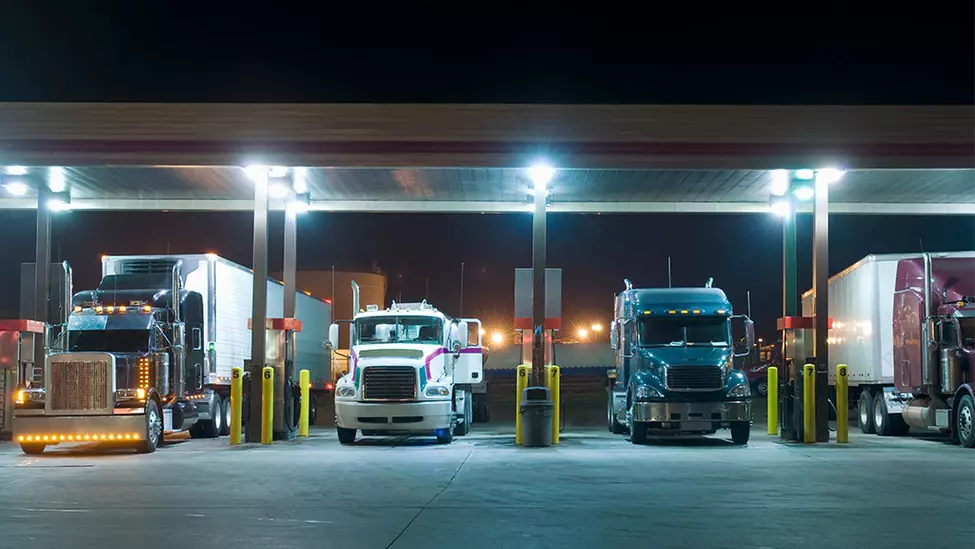
Cargo Theft and Broken Seals Can Be Costly to Transportation Businesses
Transportation Business Resources
Transportation IoT: Opportunities and Risks
Transportation Business Resources
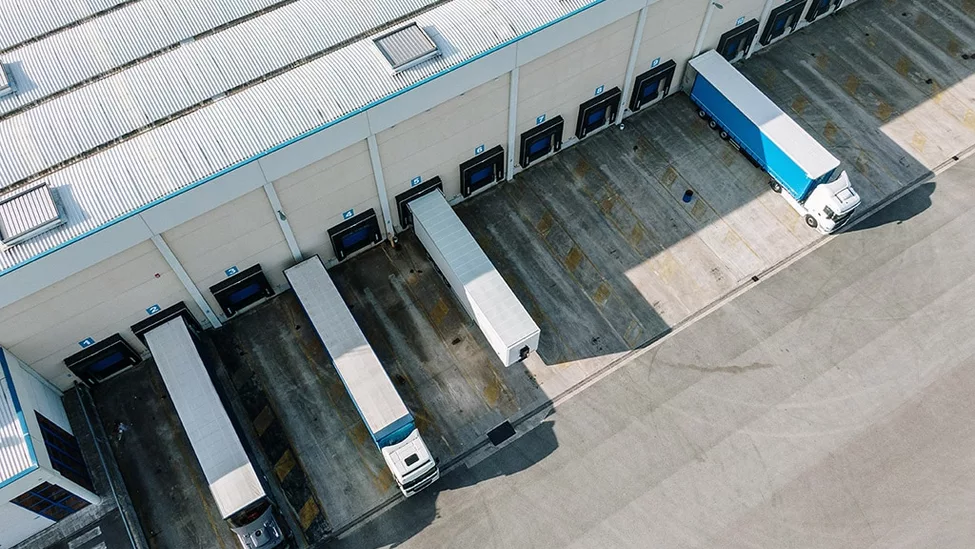
4 Ways Domestic Freight Brokers Can Avoid Unexpected Liability Claims
Transportation Business Resources
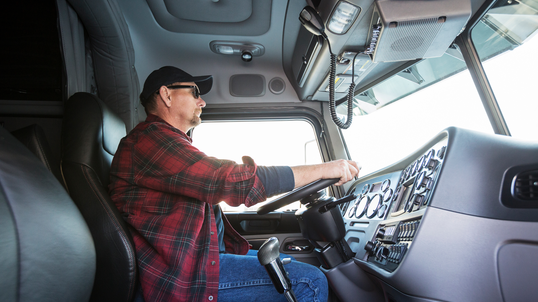
Managing Your Risks When Hiring Subhaulers
Transportation Business Resources
Cargo and Identity Theft: Early Reporting Can Help Minimize Loss

More Transportation Resources
Supply Chain Risk Management Resources
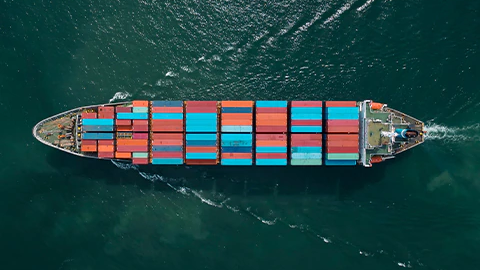
Life of a Piece of Cargo
There’s a lot that can happen to cargo on its journey. Protecting yourself from these cargo-related risks is key to protecting your supply chain.
Supply Chain Risk Management Resources
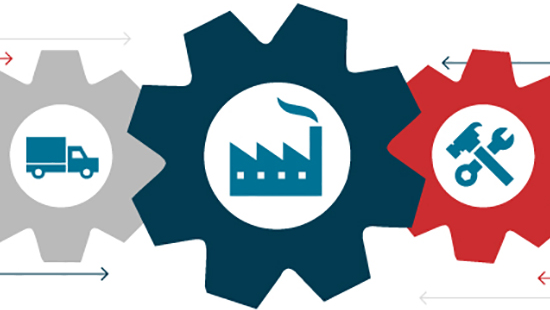
Supply Chain Management Tips
Your business may be held liable for every step in your supply chain. Get tips on effective supply chain management with this infographic from Travelers.
Supply Chain Risk Management Resources
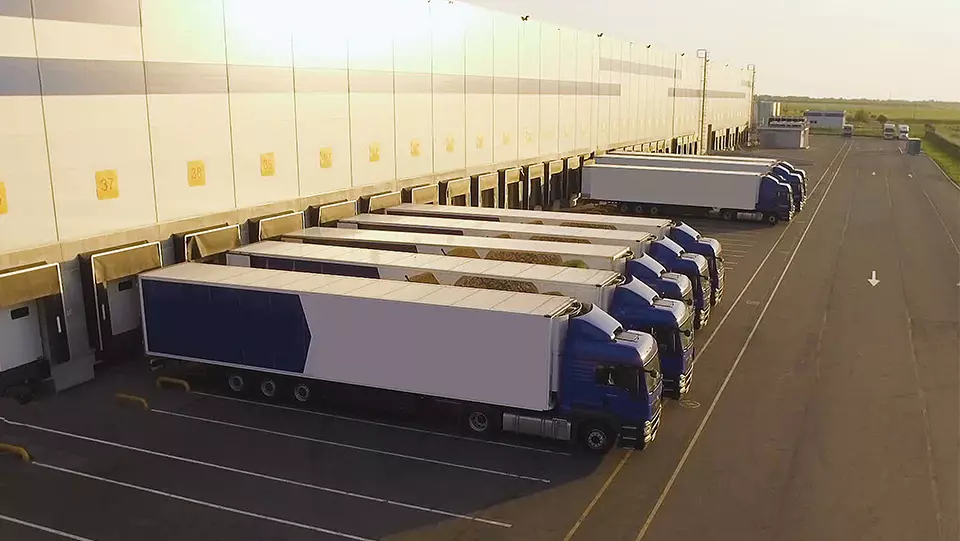
The Evolution of the Freight Broker Model Brings New Risks
A new business model in the freight broker industry brings new risks as well as opportunities.
Driver & Fleet Safety
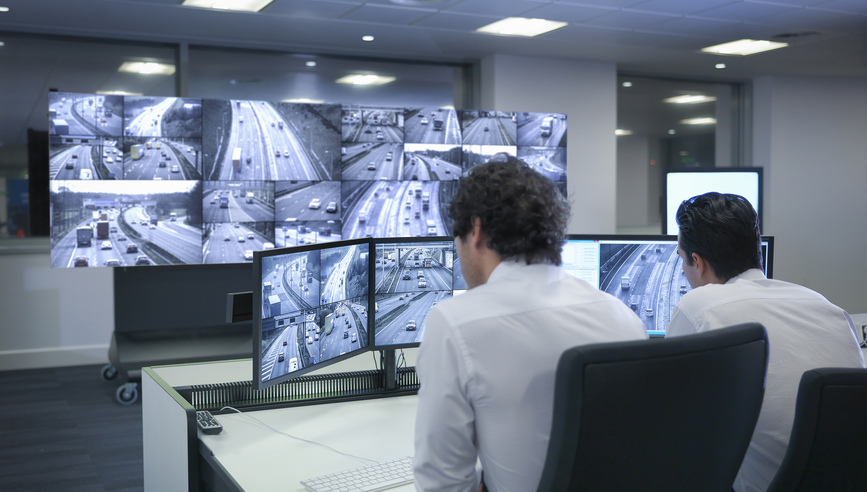
Vehicle Telematics Program Guidelines
Having a discussion with drivers can help vehicle telematics become accepted in your business.
Supply Chain Risk Management Resources
4 Ways Freight Brokers Can Help Prevent Cargo Theft
Here are some ways that freight brokers can help prevent cargo theft, including contractual risk transfer, properly vetting carriers and recognizing potential cargo theft schemes.

Supply Chain Risk Management Resources
5 Cargo Theft Tactics and How to Help Prevent Them
Cargo theft comes in many forms, from fictitious pickups to misdirected loads. Learn cargo theft types and tips for cargo theft prevention.

Driver & Fleet Safety
8 Elements of a Fleet Safety Program
A formal fleet safety program can help maximize fleet efficiency, enhance safety and more.

Supply Chain Risk Management Resources
Protecting Your Cargo in Transit
Taking steps to protect cargo can help prevent business interruptions. Learn about inspecting, securing and receiving cargo.

Related products & services
Transportation insurance
From vehicles to cargo, Travelers can help you find the right transportation coverage for today’s unique risks. A leader in insuring commercial vehicles, we provide a broad range of affordable commercial insurance coverages to help auto and trucking customers protect their business.
Special Investigations Group
Our Special Investigations Group is dedicated to theft protection and recovery, guiding clients through the adoption of procedures that harden their operations against criminal activity and assisting law enforcement on the recovery of stolen goods.